


Amazon Expeditions: Venturing Deep into the World’s Greatest Wilderness
Amazon expeditions represent the pinnacle of adventure travel, offering transformative journeys into Earth’s most complex and captivating ecosystem. Unlike casual rainforest tours, true expeditions demand commitment, preparation, and willingness to venture beyond conventional tourist infrastructure into regions where nature dictates the agenda. These immersive experiences range from week-long scientific research missions to multi-week traverses through remote wilderness areas rarely visited by outsiders. Whether paddling tributaries that appear on no maps, documenting undiscovered species, or learning survival techniques from indigenous guides, Amazon expeditions push boundaries while fostering profound connections with nature that standard travel simply cannot replicate.
Defining What Constitutes an Amazon Expedition
The term “expedition” carries specific implications distinguishing it from ordinary tours. True Amazon expeditions involve extended duration in wilderness settings, typically spanning one to four weeks rather than brief multi-day visits. They penetrate deeper into roadless territories where infrastructure vanishes and self-sufficiency becomes essential. Participants accept discomfort, uncertainty, and physical challenge as integral parts of the experience rather than obstacles to be minimized.
Expeditions emphasize discovery and learning over entertainment. Whether the goal involves scientific research, cultural documentation, wildlife observation, or personal challenge, expeditions pursue substantive objectives beyond simple sightseeing. This purposeful approach transforms participants from passive tourists into active contributors to knowledge, conservation, or cultural understanding.
Small group sizes characterize genuine expeditions, typically involving between four and twelve participants. This limitation serves both practical and environmental purposes, allowing groups to move efficiently through challenging terrain while minimizing ecological impact. Intimate groups foster deeper connections among participants and enable more meaningful interactions with guides and local communities encountered along the journey.
Types of Amazon Expeditions Available
Scientific research expeditions attract those passionate about contributing to conservation and knowledge advancement. These missions might focus on specific taxa like amphibians or orchids, conduct biodiversity surveys in poorly studied regions, or monitor known populations of threatened species. Participants work alongside professional researchers, learning field methodologies while contributing genuine labor to projects producing peer-reviewed publications and conservation strategies.
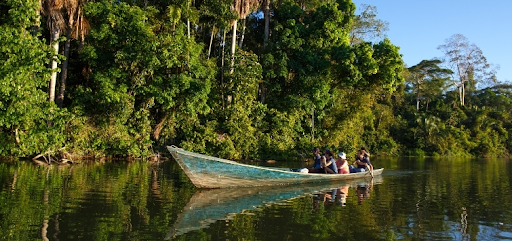
River expeditions follow the Amazon’s vast network of waterways, from the massive main stem to narrow blackwater tributaries winding through pristine forest. Multi-week journeys might traverse hundreds of kilometers by canoe, kayak, or expedition boat, camping on beaches, visiting remote communities, and experiencing the river as both highway and ecosystem. These expeditions reveal how thoroughly water defines Amazonian life and landscape.
Overland trekking expeditions challenge participants physically while providing intimate forest encounters impossible from boats. Following animal trails, indigenous paths, or blazing new routes entirely, these foot-based journeys develop profound appreciation for rainforest complexity. Every kilometer demands attention to navigation, obstacles, and wildlife, creating heightened awareness that vehicular travel never achieves.
Cultural immersion expeditions prioritize learning from indigenous communities whose ancestors have inhabited these forests for millennia. Extended stays in traditional villages allow participants to learn hunting techniques, medicinal plant knowledge, craft traditions, and spiritual practices. These expeditions require cultural sensitivity, language skills or quality translation, and genuine respect for knowledge systems different from Western frameworks.
Photography expeditions cater to serious wildlife and landscape photographers willing to endure harsh conditions for perfect shots. These specialized journeys position participants at optimal locations during ideal lighting conditions, often requiring pre-dawn departures, extended waits in hides, and prioritization of imagery over comfort. Expert guides with deep understanding of animal behavior maximize encounter opportunities.
Planning and Preparation for Expedition Success
Amazon expeditions demand extensive preparation beginning months before departure. Physical conditioning proves essential, particularly for trekking or paddling expeditions. Cardiovascular endurance, core strength, and mental resilience all require development through progressive training programs. However, expeditions vary tremendously in physical demands; research-based missions might emphasize patience and observation skills over athletic prowess.
Medical preparation extends beyond standard vaccination requirements to include comprehensive first aid training, understanding tropical disease symptoms, and carrying appropriate medications. Expedition members often find themselves days away from medical facilities, making self-sufficiency and preventive care critically important. Consulting tropical medicine specialists ensures proper antimalarial prophylaxis, antibiotic prescriptions for potential infections, and awareness of warning signs requiring evacuation.
Equipment selection balances weight, durability, and functionality across widely varying conditions. Unlike resort-based travel where forgotten items can be easily purchased, expedition participants must anticipate every need while keeping pack weight manageable. Waterproof bags protect electronics and documents from inevitable moisture, while quality boots prevent debilitating blisters during long trekking days. Redundancy in critical items like water purification, illumination, and navigation tools provides essential backup when primary equipment fails.
Mental preparation often receives insufficient attention yet determines expedition success as much as physical readiness. Participants must embrace discomfort, adapt to constantly changing plans, and maintain positive attitudes when conditions deteriorate. The Amazon operates according to its own rhythms, weather, river levels, and wildlife movements follow natural patterns indifferent to human schedules. Flexibility and patience transform potential frustrations into opportunities for unexpected discoveries.
Navigating Permits, Logistics, and Legal Requirements
Amazon expeditions frequently require complex permitting involving multiple government agencies, indigenous territorial authorities, and conservation organizations. Requirements vary dramatically between countries, regions, and specific protected areas. Some territories remain completely off-limits to outsiders, while others welcome visitors under strictly controlled conditions. Professional expedition organizers navigate these bureaucratic complexities, though independent expeditions must invest substantial time understanding and complying with regulations.
Transportation logistics present significant challenges in roadless wilderness. Accessing remote starting points might require combinations of commercial flights to regional airports, chartered aircraft to frontier settlements, boat journeys lasting days, and finally foot travel to actual expedition sites. Each transition point creates potential delays, especially during rainy seasons when rivers flood or dirt airstrips become unusable.
Supply management becomes increasingly critical on extended expeditions. Resupply proves impossible in true wilderness, requiring careful calculation of food, fuel, and consumables needed for the entire duration. Weight limitations on small aircraft or human porterage capacity constrain what can be carried, demanding ruthless prioritization. Experienced expedition leaders excel at balancing adequate provisions against practical carrying capacity.
Communication capabilities range from complete isolation to satellite connectivity depending on expedition philosophy and budget. Some expeditions intentionally embrace disconnection from the outside world, while others maintain satellite phones or emergency beacons for safety. Families and employers typically require some contact assurance, though participants should expect limited or no communication for extended periods.
Wildlife Encounters and Scientific Discovery
Amazon expeditions deliver wildlife encounters far exceeding standard tour experiences. Extended time in remote locations allows observation of rare, elusive, or sensitive species that flee from human activity in more visited areas. Giant otters, harpy eagles, bush dogs, and tapirs appear more readily where human presence remains exceptional rather than routine. Patient observers witness natural behaviors including hunting, mating, and social interactions rarely documented.
Expedition participants regularly encounter species unknown to science. The Amazon’s vast unexplored territories harbor countless undescribed organisms, particularly insects, amphibians, and plants. While identifying new species requires formal scientific processes beyond most expeditions’ scope, documenting unusual specimens through photography and GPS coordinates contributes valuable data for subsequent research. Every expedition adds pieces to the incomplete puzzle of Amazonian biodiversity.
Nocturnal expeditions reveal entirely different wildlife communities. The majority of rainforest mammals, amphibians, and invertebrates operate nocturnally, remaining hidden during daylight hours. Night hikes, boat excursions, and canopy observations illuminate this parallel world where bats, night monkeys, tree frogs, and countless insects orchestrate complex ecological interactions invisible to day-only visitors.
Seasonal timing dramatically affects wildlife visibility and behavior. Fruiting cycles attract concentrations of primates, parrots, and other frugivores to specific locations. Breeding seasons bring vocal displays and elaborate courtship rituals. Understanding these patterns allows expedition planning that maximizes specific encounter opportunities, though also requires accepting that some species simply won’t be observable during particular seasons.
Indigenous Knowledge and Cultural Exchange
Many Amazon expeditions incorporate indigenous guides whose expertise surpasses any academic training in practical forest knowledge. These guides identify medicinal plants, locate hidden wildlife, navigate complex terrain, and share cultural perspectives transforming forests from threatening tangles into comprehensible systems. Their involvement also ensures local communities benefit economically from conservation-oriented expeditions, creating incentives for protecting territories against destructive development.
Cultural protocols require careful attention when expeditions enter indigenous territories. Different groups maintain distinct traditions regarding photography, sacred sites, gender interactions, and appropriate behavior. Respectful visitors invest time learning these expectations, request permission rather than assuming access, and recognize that some knowledge or locations may be appropriately withheld from outsiders. This respectful approach builds trust and enriches experiences through genuine exchange rather than exploitative observation.
Language barriers present challenges and opportunities. Learning basic phrases in local languages demonstrates respect and facilitates connection, even when full conversations require translation. Non-verbal communication through shared work, laughter, and mutual curiosity often transcends linguistic limitations, creating bonds that purely verbal interaction might not achieve.
Conclusion: Key Takeaways for Amazon Expeditions
Amazon expeditions offer unparalleled opportunities for discovery, challenge, and transformation unavailable through conventional travel. Success requires extensive preparation addressing physical fitness, medical precautions, appropriate equipment, and mental readiness for uncertainty and discomfort. The rewards include intimate wildlife encounters, contribution to scientific knowledge, cultural learning from indigenous communities, and personal growth through confronting nature’s complexity.
Choosing between expedition types depends on individual interests, capabilities, and goals. Scientific missions attract those passionate about conservation, while river journeys suit those drawn to waterborne travel. Cultural immersion expeditions transform understanding of human-nature relationships, and photography expeditions capture visual stories of extraordinary biodiversity. Regardless of type, all genuine expeditions demand respect for the Amazon’s power, commitment to environmental ethics, and humility before ecosystems vastly more complex than human comprehension. These journeys create not just memories but lasting responsibility toward protecting wilderness that shaped participants profoundly.
