


Safari Sand: Exploring the World’s Most Spectacular Desert Adventures
When most people think of safaris, they imagine lush savannas teeming with wildlife, massive herds crossing endless grasslands, and the Big Five roaming beneath acacia trees. However, an entirely different kind of safari experience awaits those who venture into the world’s magnificent sand deserts. Safari sand adventures combine the thrill of exploration with the raw beauty of pristine dunes, creating unforgettable journeys through some of Earth’s most dramatic landscapes.
The Essence of Sand Safari Experiences
Sand safaris represent a unique category of adventure travel that focuses on exploring desert environments dominated by vast dune fields. Unlike traditional wildlife safaris, sand safaris emphasize geological wonders, extreme landscapes, and the specialized flora and fauna that have adapted to survive in these harsh environments. From the towering red dunes of Namibia to the endless golden seas of Arabia, these expeditions offer travelers intimate encounters with nature’s most stunning sculptural masterpieces.
The experience transcends simple sightseeing. Sand safaris immerse participants in environments where survival itself becomes remarkable, where silence reaches profound depths, and where the interplay of light and shadow across dune faces creates ever-changing natural artworks. Whether traveling by 4×4 vehicle, camel caravan, or on foot, sand safari participants discover landscapes that challenge perceptions of what Earth can look like.
Modern sand safaris blend traditional exploration with contemporary comforts and safety measures. Professional guides with extensive desert knowledge lead expeditions using GPS technology and reliable vehicles while maintaining respect for fragile desert ecosystems. These journeys range from single-day dune bashing adventures to multi-week expeditions crossing vast sand seas, catering to various adventure appetites and experience levels.
Namibia Sossusvlei: Crown Jewel of Sand Safaris
Namibia’s Sossusvlei region stands as one of the world’s premier sand safari destinations. Located within the Namib-Naukluft National Park, this area features some of Earth’s tallest dunes, with Big Daddy reaching an astounding 325 meters in height. These ancient dunes display spectacular color variations ranging from deep coral and burnt orange to rich reds, created by iron oxidation processes occurring over millions of years.
The Namib Desert, recognized as the world’s oldest desert, presents landscapes that appear almost otherworldly. Sossusvlei itself translates to “dead-end marsh” in local languages, referring to the clay pan where the Tsauchab River terminates after rare rainfall events. Surrounding this pan, massive dunes create dramatic backdrops for photography enthusiasts and adventure seekers alike.
What makes Namibian sand safaris particularly special is the presence of Deadvlei, a white clay pan dotted with ancient dead camel thorn trees that have stood for approximately 900 years. These blackened skeletal trees against white clay floors surrounded by towering red dunes create one of nature’s most photographed scenes. The stark contrast and surreal beauty inspire photographers, artists, and travelers from around the globe.
Safari activities in Sossusvlei extend beyond sightseeing. Climbing Dune 45, one of the region’s most accessible giants, has become a bucket-list experience for visitors. The ascent, typically undertaken at dawn to avoid heat and capture optimal lighting, rewards climbers with panoramic views across endless dune fields. Sandboarding down steep dune faces provides adrenaline-pumping thrills, while hot air balloon rides offer bird’s-eye perspectives of this magnificent landscape.
Arabian Desert: Dubai and Beyond
The Arabian Peninsula offers entirely different sand safari experiences characterized by dramatic dune bashing, luxury desert camps, and rich cultural traditions. Dubai has emerged as a global hub for desert safaris, with companies offering everything from budget-friendly group tours to exclusive private expeditions across the emirate’s extensive dune fields.
Dubai’s red dunes provide spectacular settings for high-octane adventures. Dune bashing involves skilled drivers navigating powerful 4×4 vehicles over steep dune faces, creating roller-coaster-like experiences that combine thrill with stunning scenery. Professional drivers deflate tire pressure to improve traction before venturing onto soft sand, then navigate dramatic slopes and sharp crests with precision honed through years of desert driving.
Beyond the adrenaline rush, Arabian sand safaris incorporate rich cultural elements. Traditional Bedouin camps offer authentic glimpses into desert heritage, featuring camel rides, falconry displays, henna painting, and traditional dress experiences. Evening safaris typically culminate in barbecue dinners accompanied by belly dancing, Tanoura performances, and fire shows under star-filled skies. These cultural components distinguish Arabian sand safaris from purely landscape-focused expeditions elsewhere.
The United Arab Emirates also offers morning desert safaris for travelers seeking daytime adventures without overnight commitments. These condensed experiences include dune bashing, sandboarding, camel riding, and quad biking, providing comprehensive desert exposure within shorter timeframes. For ultimate luxury, overnight safaris feature glamping accommodations where traditional Bedouin aesthetics meet modern comforts including air conditioning, premium bedding, and gourmet dining.
The Great Sand Sea: Egypt’s Western Desert
Stretching approximately 650 kilometers from north to south across Egypt and Libya, the Great Sand Sea represents one of the Sahara’s most spectacular dune fields. This massive expanse covers roughly 72,000 square kilometers, with sand ridges running in predominantly north-south patterns visible from satellite imagery. The eastern edge meets Siwa Oasis, creating dramatic contrasts between verdant palm groves and endless golden dunes.
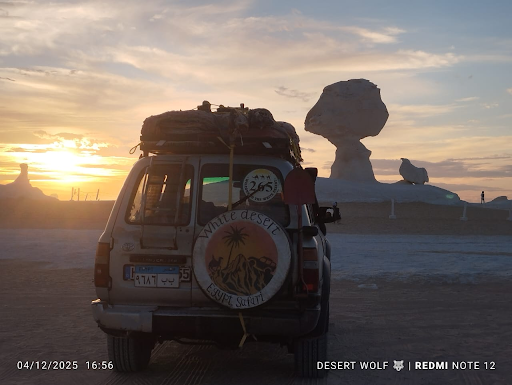
Sand safaris in Egypt’s Great Sand Sea offer authentic Saharan experiences far from mass tourism. Expeditions typically depart from Siwa Oasis, venturing deep into dune fields where human footprints disappear within hours as winds reshape the landscape. These multi-day adventures involve camping under pristine night skies, navigating towering dunes, and discovering hidden desert springs like Bir Wahed, where hot and cold water sources emerge from beneath the sand.
The remoteness of Great Sand Sea safaris appeals to travelers seeking genuine wilderness experiences. Unlike more developed desert destinations, this region maintains raw, unmanicured beauty. Visitors encounter minimal infrastructure, requiring self-sufficiency and experienced guides. The reward comes through profound solitude, encounters with desert-adapted wildlife like fennec foxes and sand vipers, and the humbling sensation of insignificance against nature’s vastness.
Egyptian sand safaris often incorporate cultural and historical elements. Siwa Oasis itself features ancient sites including the Temple of the Oracle where Alexander the Great sought divine counsel. Shali Fortress, constructed from kershef (salt and mud mixture), provides historical context for understanding how communities survived in desert environments for centuries. These cultural dimensions enrich sand safari experiences beyond pure landscape appreciation.
Rajasthan’s Thar Desert: India’s Golden Frontier
The Thar Desert, also known as the Great Indian Desert, offers sand safari experiences infused with vibrant Rajasthani culture. Centered around Jaisalmer, known as the Golden City due to its yellow sandstone architecture, Thar Desert safaris combine stunning sand dunes with rich cultural immersion unavailable in other desert regions.
Sam Sand Dunes, located approximately 40 kilometers from Jaisalmer, serves as the primary hub for Thar Desert safaris. These dunes, while smaller than Namibian or Arabian counterparts, provide beautiful rolling landscapes perfect for camel safaris, jeep tours, and cultural experiences. The proximity to Jaisalmer allows day trips, though overnight desert camping provides more authentic experiences.
Camel safaris represent the traditional Thar Desert exploration method. Riding these desert-adapted animals across dunes at sunset creates romantic, timeless experiences connecting travelers to centuries of desert trade route history. Multi-day camel treks venture deeper into the desert, staying in basic camps where travelers sleep under stars and experience traditional Rajasthani hospitality.
Cultural performances distinguish Thar Desert safaris from other sand safari destinations. Evening programs feature Kalbeliya folk dancers, whose serpentine movements originated with snake charmer communities, and Manganiyaar musicians performing traditional Rajasthani compositions. These performances, conducted around campfires with dunes as backdrops, create magical atmospheres that blend natural beauty with cultural richness.
Wildlife and Ecology of Sand Dune Environments
Despite appearing barren, sand dune ecosystems support surprising biodiversity adapted to extreme conditions. Sand safari participants often encounter specialized flora and fauna demonstrating nature’s remarkable capacity for adaptation. Understanding these ecosystems enhances appreciation for desert environments beyond mere scenic beauty.
Namibia’s fog-dependent ecosystem represents one of nature’s most fascinating adaptations. Coastal fog rolling inland provides primary moisture for plants and animals in hyperarid environments. The tok-tokkie beetle performs a headstand posture allowing fog condensation to run down its body into its mouth. Welwitschia mirabilis, ancient plants that can live over 1,000 years, survive through specialized root systems and fog harvesting capabilities.
Arabian deserts support animals like Arabian oryx, sand gazelles, and various reptile species adapted to extreme temperatures. Many creatures exhibit nocturnal behavior, emerging only after sunset when temperatures drop. Birds including houbara bustards and sand grouse migrate to desert regions seasonally, while insects like dung beetles navigate using celestial cues, demonstrating remarkable biological sophistication.
The Great Sand Sea hosts fennec foxes, characterized by oversized ears that dissipate heat and enhance hearing for nocturnal hunting. Various snake species including sand vipers employ sidewinding locomotion across dunes, while numerous insect species have developed specialized behaviors like burying themselves in sand during extreme heat. These adaptations fascinate biologists and wildlife enthusiasts participating in sand safaris.
Adventure Activities Beyond Dune Bashing
Sand safaris encompass diverse activities appealing to various adventure preferences. While dune bashing remains popular, numerous alternatives provide unique ways to experience desert landscapes. These activities cater to different fitness levels, risk tolerances, and interest areas, ensuring comprehensive sand safari experiences.
Sandboarding has emerged as a premier sand dune activity, offering similar thrills to snowboarding but on sun-warmed sand slopes. Riders use specially designed boards to descend steep dune faces, sometimes reaching significant speeds on optimal slopes. Unlike snowboarding, falls onto sand prove considerably softer, making sandboarding accessible to beginners while challenging experienced boarders with steep, fast runs.
Quad biking and dune buggy tours appeal to those seeking motorized adventures with more control than passenger-based dune bashing. These activities allow participants to navigate dunes personally, experiencing the skill required for desert driving while enjoying adrenaline rushes. Guided tours ensure safety while accessing spectacular viewpoints and thrilling terrain.
Fat-tire cycling has gained popularity in desert regions, with specially designed bicycles featuring oversized tires that float across sand surfaces. This activity provides quieter, more sustainable desert exploration while delivering excellent workouts. Cyclists navigate dune valleys and firmer sand areas, experiencing desert environments at human-powered speeds that allow greater wildlife observation and landscape appreciation.
Hot air ballooning over sand dunes provides utterly different perspectives. Floating silently above massive dune fields at sunrise reveals patterns invisible from ground level while creating romantic, peaceful experiences. Namibia’s Sossusvlei region particularly excels in balloon safaris, with flights timed to capture optimal lighting as sun illuminates towering dunes in spectacular fashion.
Photography Opportunities and Techniques
Sand dunes create photographer paradises offering infinite compositional possibilities. The interplay of light, shadow, texture, and color across dune surfaces changes throughout the day, providing endless creative opportunities. Understanding optimal photography conditions enhances sand safari experiences for photography enthusiasts.
Golden hour, the period shortly after sunrise and before sunset, delivers the most dramatic dune photography. Low-angle sunlight accentuates dune textures, creating sharp shadows that define ridges and valleys. The warm color temperature during these periods intensifies natural dune colors, particularly spectacular on Namibia’s red dunes or Dubai’s golden sands.
Blue hour, occurring before sunrise and after sunset when the sky displays deep blue tones, offers different creative possibilities. The soft, even lighting during this period works beautifully for capturing dune silhouettes and incorporating starry skies. Long exposures during blue hour can capture both landscape detail and celestial features, creating ethereal compositions.
Composition techniques particularly effective in dune photography include using leading lines created by dune ridges, incorporating human figures for scale, and emphasizing minimal elements for abstract interpretations. The absence of vegetation and structures allows photographers to focus purely on form, texture, and light. Black and white conversions often enhance these elements, creating dramatic images emphasizing shape and contrast.
Successful dune photography requires proper equipment protection. Sand infiltrates camera mechanisms easily, potentially causing expensive damage. Protective bags, lens cloths for constant cleaning, and careful equipment handling become essential. Many photographers use UV filters as sacrificial protection for expensive lenses, easier to replace than damaged front lens elements.
Cultural Encounters and Responsible Tourism
Sand safaris provide opportunities for meaningful cultural exchanges with desert communities who have called these harsh environments home for generations. These interactions enrich travel experiences while supporting local economies when conducted respectfully and ethically. Responsible tourism practices ensure sand safaris benefit both visitors and host communities.
Bedouin communities across Arabian deserts maintain traditions spanning centuries despite modernization pressures. Many sand safari companies employ Bedouin guides who share traditional knowledge about desert navigation, survival techniques, and cultural practices. Learning about historical trade routes, water source identification, and traditional desert crafts provides depth beyond scenic appreciation.
In Rajasthan, interactions with local communities reveal fascinating cultural adaptations to desert life. Traditional water harvesting systems, distinctive architectural styles using local materials, and artistic traditions including block printing and mirror work embroidery demonstrate human ingenuity in challenging environments. Purchasing handicrafts directly from artisans supports local economies while preserving traditional skills.
Responsible sand safari practices include minimizing environmental impact through pack-in-pack-out waste policies, avoiding disturbance to wildlife and vegetation, and supporting local businesses rather than external operators. Travelers should research companies demonstrating genuine community partnerships and environmental commitments. Choosing guides from local communities ensures tourism revenues benefit those protecting and sharing desert environments.
Practical Preparation and Safety Considerations
Successful sand safari experiences require appropriate preparation addressing unique desert challenges. Unlike conventional tourism, desert environments present specific risks requiring knowledge, proper equipment, and sensible precautions. Understanding these factors ensures safe, enjoyable sand safari adventures.
Hydration represents the most critical consideration for desert activities. Dehydration occurs rapidly in hot, dry conditions even without obvious sweating. Experts recommend consuming at least four liters of water daily during desert activities, more during strenuous exertion. Electrolyte replacement becomes important for extended desert time, as water alone doesn’t replace minerals lost through perspiration.
Sun protection extends beyond sunscreen application. Desert environments feature intense solar radiation, particularly at higher elevations and during midday hours. Wide-brimmed hats, UV-protective sunglasses, lightweight long-sleeved clothing, and high-SPF broad-spectrum sunscreen all become essential. Lips require special attention through frequent lip balm application, as the dry air causes rapid moisture loss.
Temperature extremes characterize desert environments. While daytime temperatures can exceed 40 degrees Celsius, nighttime temperatures may drop near or below freezing, particularly in high-altitude deserts or during winter months. Layered clothing systems allowing easy adjustment prove most effective. Warm jackets, sleeping bags rated for expected nighttime lows, and thermal underlayers become necessary for overnight Safari sand.
Vehicle reliability and emergency preparedness cannot be overstated for remote sand safaris. Reputable operators maintain well-serviced vehicles equipped with recovery equipment, satellite phones, and comprehensive first aid supplies. Solo or independent travelers should never venture into remote dune fields without proper training, equipment, and communication devices. Desert environments are unforgiving of poor preparation or equipment failure.
Planning Your Sand Safari Adventure
Selecting the right sand safari destination and operator requires research and consideration of personal preferences, fitness levels, and desired experiences. The diversity of available options means nearly everyone can find suitable sand safari opportunities matching their comfort zones and adventure aspirations.
Timing considerations vary by destination. Namibia’s Sossusvlei region offers optimal conditions from May through October when temperatures remain moderate and skies stay clear. November through April brings extreme heat making physical activities uncomfortable. Arabian desert safaris operate year-round but prove most pleasant from October through April when temperatures drop to comfortable ranges. Summer months see extreme heat discouraging outdoor activities.
Duration choices range from half-day excursions to multi-week expeditions. First-time sand safari participants might begin with single-day experiences testing their enjoyment of desert environments before committing to extended trips. Serious desert enthusiasts often prefer week-long or longer journeys allowing deeper penetration into remote areas and more comprehensive exploration.
Budget considerations significantly impact available options. Budget desert safaris in places like Dubai or Rajasthan start around $50-100 per person for group tours. Mid-range options including better vehicles, smaller groups, and enhanced services typically cost $150-300. Luxury sand safaris featuring private guides, premium accommodations, and exclusive access can exceed $500 daily. Namibian safaris tend toward higher prices due to infrastructure limitations and distances involved.
Physical fitness requirements depend on chosen activities. Passive sand safari experiences involving primarily vehicle travel require minimal fitness. Activities like dune climbing, extended camel riding, or multi-day trekking demand reasonable fitness levels. Reputable operators provide honest assessments of physical requirements, allowing informed decisions about suitable experiences.
Conclusion
Sand safaris represent extraordinary adventures combining natural beauty, physical challenge, cultural immersion, and personal transformation. Whether experiencing the towering red dunes of Namibia’s Sossusvlei, the vibrant cultural richness of Rajasthan’s Thar Desert, the thrilling dune bashing of Arabian deserts, or the profound wilderness of Egypt’s Great Sand Sea, these journeys create lasting memories and deep appreciation for Earth’s most dramatic landscapes.
The diversity of sand safari experiences ensures options for virtually every traveler type. Luxury seekers find premium accommodations and services in established destinations like Dubai and Namibia. Adventure enthusiasts discover challenging expeditions in remote regions like the Great Sand Sea. Cultural travelers engage with traditional communities maintaining ancient desert lifestyles. Photography enthusiasts capture stunning images across all sand safari destinations.
Beyond immediate enjoyment, sand safaris foster environmental awareness and cultural appreciation. Witnessing the fragile beauty of desert ecosystems and meeting communities adapted to these extreme environments often inspires commitment to conservation and cultural preservation. Many sand safari participants return home with renewed perspective on human resilience, nature’s power, and the importance of protecting Earth’s wild places.
As interest in sand safaris continues growing, choosing responsible operators becomes increasingly important. Supporting companies prioritizing environmental sustainability, fair community partnerships, and authentic cultural exchange ensures sand safari tourism benefits both travelers and destinations. Through thoughtful engagement, these remarkable desert adventures can continue inspiring wonder while preserving the magnificent sand dune landscapes for future generations to explore and cherish.
Frequently Asked Questions
Q: What is the best time of year for sand safaris? Optimal timing varies by destination. Namibia’s Sossusvlei is best visited May through October when temperatures are moderate. Arabian desert safaris are most comfortable October through April, avoiding summer’s extreme heat. Egypt’s Great Sand Sea offers good conditions October through April. Rajasthan’s Thar Desert is ideal from November through February. Always avoid summer months in any desert region as extreme heat makes activities uncomfortable and potentially dangerous.
Q: How physically demanding are sand safaris? Physical demands vary significantly based on chosen activities. Passive experiences involving primarily vehicle travel require minimal fitness. Dune climbing, particularly ascending giants like Big Daddy in Namibia, demands good cardiovascular fitness and leg strength. Multi-day camel treks require the ability to handle long hours of riding. Most operators offer various activity levels allowing participants to choose appropriate challenges. Those with concerns should discuss specific fitness requirements with operators before booking.
Q: What should I pack for a sand safari? Essential items include wide-brimmed hats, UV-protective sunglasses, high-SPF sunscreen, lip balm, lightweight long-sleeved shirts and pants, closed-toe shoes, warm layers for cold nights, reusable water bottle, camera with protective bag, and basic toiletries. For overnight safaris, add sleeping bag (if not provided), headlamp or flashlight, personal medications, and basic first aid supplies. Avoid bringing valuable jewelry or unnecessary electronics that could be damaged by sand.
Q: Are sand safaris safe? When conducted through reputable operators with experienced guides and proper equipment, sand safaris are generally safe. Risks include heat-related illness, dehydration, and vehicle accidents if operators lack proper training or equipment. Choosing licensed companies with good safety records, following guide instructions, maintaining hydration, and using appropriate sun protection minimize risks. Solo travel in remote desert areas without proper training and equipment is extremely dangerous and strongly discouraged.
Q: Can children participate in sand safaris? Many sand safari experiences welcome families with children, though age restrictions vary by activity type. Gentle dune explorations, camel rides, and cultural camp experiences typically accommodate young children. Intense dune bashing may have minimum age requirements (often 5-7 years) due to physical forces involved. Parents should assess whether their children can handle heat, long vehicle rides, and desert conditions. Some luxury sand safari lodges offer family-friendly programs specifically designed for children.
Q: How much do sand safaris typically cost? Costs vary enormously based on destination, duration, group size, and luxury level. Budget group tours in Dubai or Rajasthan start around $50-100 per person for half-day experiences. Mid-range full-day safaris with better services cost $150-300. Luxury overnight safaris can reach $500-1000+ daily. Multi-day Namibian safaris typically range $300-600 per person daily depending on accommodation level. Private guides and custom itineraries command premium prices but offer personalized experiences.
Q: What wildlife might I encounter on sand safaris? Wildlife varies by region but includes fascinating desert-adapted species. Namibia hosts oryx, springbok, ostriches, jackals, and various reptiles. Arabian deserts feature oryx, gazelles, foxes, and numerous bird species, mostly nocturnal. The Thar Desert supports chinkaras (Indian gazelles), desert foxes, various raptors, and reptiles. Egypt’s Great Sand Sea hosts fennec foxes, sand vipers, and desert-adapted birds. Most desert wildlife is nocturnal, so sightings require patience and typically occur during early morning or evening activities.
Q: Do I need special insurance for sand safaris? Standard travel insurance often excludes adventure activities or provides limited coverage. Verify your policy covers desert activities including dune bashing, sandboarding, and camel riding. Many sand safari operators require proof of adequate insurance. Consider specialized adventure travel insurance if your standard policy excludes these activities. Medical evacuation coverage becomes particularly important for remote desert safaris far from medical facilities. Always read policy fine print regarding adventure activity coverage.
