


Short Inca Trail to Machu Picchu: The Ultimate Express Adventure
Among the world’s most iconic trekking routes, few capture the imagination quite like the path leading to Machu Picchu. While the classic four-day Inca Trail has earned legendary status among adventurers, a lesser known alternative offers an equally captivating experience in condensed form. The short Inca Trail to Machu Picchu delivers the essence of this ancient journey, compressing breathtaking scenery, remarkable archaeological discoveries, and the triumphant arrival at the lost city into an accessible two-day adventure that fits seamlessly into modern travel itineraries.
Unveiling the Short Trail Experience
The short Inca Trail, beginning at Kilometer 104 along the railway to Aguas Calientes, represents far more than a truncated version of its longer counterpart. This carefully designed route covers approximately 12 kilometers of authentic Inca pathways, offering a concentrated dose of everything that makes the traditional trail extraordinary. What sets this journey apart is its intelligent design: you experience the physical challenge of ascending through cloud forests, the intellectual stimulation of exploring lesser-visited ruins, and the emotional payoff of entering Machu Picchu through Inti Punku, the Sun Gate, all within a timeframe that accommodates even packed travel schedules.
This condensed format has democratized access to an experience once reserved primarily for those with substantial time and camping experience. Families with active teenagers, working professionals with limited vacation days, travelers who prefer comfortable beds to sleeping bags, and those testing their trekking abilities before committing to longer expeditions have all discovered the short trail’s unique appeal. It maintains the authenticity and challenge that make the Inca Trail meaningful while acknowledging that modern travelers have diverse needs and constraints.
The Journey from Ollantaytambo to Heaven’s Gate
Your adventure begins not on foot but aboard the train departing from Ollantaytambo, winding through the Sacred Valley alongside the rushing Urubamba River. This scenic prelude builds anticipation as you watch the landscape transform from broad agricultural valleys to narrow gorges flanked by increasingly dramatic peaks. At Kilometer 104, you’ll step off the train onto a platform that seems to exist solely for trekkers, marking the official start of your journey into Inca territory.
The trail immediately asserts its character with Chachabamba, your first archaeological encounter. This riverside complex, often passed quickly by eager trekkers, deserves attention for its sophisticated water channels and ceremonial baths. Here you’ll begin to understand how the Incas integrated spiritual practices with practical engineering, channeling mountain water through carefully constructed stone aqueducts that still function centuries after their creation. Your guide will explain how sites like these weren’t merely settlements but sacred spaces where water worship and purification rituals played central roles in Inca cosmology.
From Chachabamba, the trail begins its ascent in earnest. Over the next several hours, you’ll climb approximately 400 meters through multiple ecological zones, each hosting distinct plant communities and microclimates. The lower sections feature subtropical vegetation with colorful orchids clinging to trees and hummingbirds darting between flowers. As elevation increases, you’ll enter a proper cloud forest where moisture-laden air creates an atmosphere that feels primordial, with moss-covered stones and ferns carpeting the forest floor. The Incas constructed this pathway with remarkable foresight, placing steps at intervals that maintain steady rhythm while minimizing erosion, a testament to engineering knowledge that anticipated centuries of use.
Wiñay Wayna: The Trail’s Hidden Jewel
After three to four hours of climbing, the forest opens to reveal Wiñay Wayna, a sight that stops trekkers in their tracks. This extensive complex, whose Quechua name translates to “Forever Young,” cascades down the mountainside in a series of agricultural terraces so precisely constructed they appear almost architectural rather than agricultural. The site combines farming platforms with religious structures, including a temple area with trapezoidal windows characteristic of Inca sacred architecture and a series of ceremonial baths connected by stone channels.
Wiñay Wayna offers insights into Inca civilization that extend beyond their famous stonework. The terraces demonstrate sophisticated understanding of microclimates, with different levels growing different crops suited to their specific altitude and sun exposure. The religious structures reveal how the Incas viewed agriculture not merely as food production but as sacred practice, with planting and harvesting cycles tied to astronomical observations and spiritual ceremonies. Standing here, with terraces stretching above and below, you’ll understand how the Incas fed their empire while maintaining what they saw as proper relationship with Pachamama, Mother Earth.
Most importantly, Wiñay Wayna remains relatively uncrowded compared to Machu Picchu itself. You’ll have time to explore, photograph, and absorb the atmosphere without fighting through crowds. Many trekkers later reflect that discovering this site felt more personally meaningful than seeing Machu Picchu, precisely because they could experience it with space and silence for contemplation. Your guide will provide context about the site’s possible functions as a rest stop for pilgrims traveling to Machu Picchu, a religious center in its own right, or an administrative checkpoint controlling access to the sacred city beyond.
The Approach Through Inti Punku
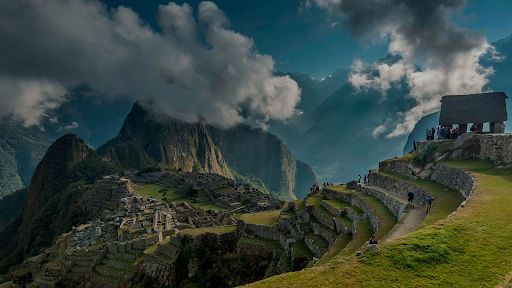
After exploring Wiñay Wayna, the trail continues along relatively flat terrain through high forest, building suspense toward the moment every trekker anticipates. Then, quite suddenly, you’ll reach Inti Punku, the Sun Gate, where Machu Picchu reveals itself in full panoramic glory. This approach, earned through hours of effort rather than simply arriving by bus or train, fundamentally changes your relationship with the ancient city. You’ve followed the same route Inca travelers used, experiencing the landscape’s challenges and rewards, making your arrival feel like genuine achievement rather than tourist transaction.
The view from the Sun Gate varies dramatically depending on time of day and weather conditions. Late afternoon typically offers the clearest skies, with golden light illuminating the ruins and creating stark shadows that emphasize the city’s dramatic topography. However, even fog-shrouded views possess their own magic, with Machu Picchu appearing and disappearing like a vision, which some argue better captures the mysterious atmosphere that greeted Hiram Bingham when he “rediscovered” the site in 1911. From this vantage point, you’ll understand why the Incas chose this seemingly impossible location, perched between peaks with cliffs dropping away on multiple sides, creating natural defensive barriers while offering commanding views of surrounding valleys.
The descent from Inti Punku to Machu Picchu proper takes approximately 40 minutes, with the trail switching back down the mountainside. You’ll have time for quick photographs within the site before it closes for the day, though your comprehensive exploration will wait until the following morning. This brief initial encounter leaves you wanting more, building anticipation for tomorrow’s detailed tour while allowing you to appreciate the city’s scale and setting during the magical late afternoon light.
The Second Day: Machu Picchu Unveiled
After descending to Aguas Calientes for the night, whether camping at designated areas or staying in town’s hotels, you’ll rise before dawn to return to Machu Picchu. The early start pays substantial dividends, as morning light transforms the ruins and crowds remain manageable during the first hours. Mist often clings to the peaks at this hour, gradually dissipating to reveal the full extent of this mountain-top marvel, creating photographic opportunities and atmospheric experiences impossible later in the day when harsh sunlight flattens the landscape and crowds fill every corner.
Your guided tour, typically lasting two to three hours, will decode Machu Picchu’s mysteries. Your guide will explain the prevailing theories about the city’s purpose, from royal estate to religious sanctuary to astronomical observatory, acknowledging that scholars continue debating many aspects of this site. You’ll explore the agricultural sector with its terraces that fed the population, the urban sector with residential areas for different social classes, and the sacred sector housing temples and ceremonial spaces. Each area reveals Inca ingenuity, from the Temple of the Sun with its curved wall and precision stonework to the Intihuatana stone, a ritual device aligned with astronomical events, to the extensive water management system that channeled spring water throughout the city through 16 fountains.
The engineering achievements become clear as your guide points out details: stones weighing many tons fitted together without mortar so precisely that knife blades cannot slip between them, structures designed to flex during earthquakes rather than collapse, water channels maintaining consistent gradients across complex terrain, and astronomical alignments that connected physical structures to celestial events. These technical marvels coexist with aesthetic sensibility, as the Incas incorporated natural rock formations into their buildings, creating seamless transitions between human construction and mountain landscape.
Maximizing Your Short Trail Experience
Success on the short Inca Trail depends on preparation that goes beyond physical fitness. Altitude acclimatization ranks as the single most important factor, as even the relatively modest elevation changes can affect those not adapted to thinner air. Spending minimum two to three days in Cusco before your trek allows your body to adjust while giving you time to explore this fascinating city with its own Inca foundations, colonial architecture, and vibrant contemporary culture. During acclimatization, stay well hydrated, avoid alcohol and heavy meals, and consider coca tea, the traditional Andean remedy for altitude symptoms.
Packing strategically enhances comfort and performance. A daypack of 20-25 liters suffices for the trek itself, carrying water, snacks, rain gear, sun protection, camera, insect repellent, and a light jacket for changing temperatures. Layered clothing works best, as you’ll experience significant temperature variations from warm valley floors to cool high forest areas. Quality hiking boots worn in advance prevent blisters that can turn enjoyable trek into painful ordeal, and trekking poles significantly reduce knee strain on the descents. Most tour operators provide detailed packing lists, but remember that porters are not permitted on the short trail, so you’ll carry everything yourself during the hike.
Understanding permit requirements prevents disappointment. The Peruvian government strictly limits Inca Trail access to 500 people daily, including guides and support staff, with permits required for both the classic and short routes. These permits sell out months in advance during peak season from May to September. Booking three to six months ahead, or even earlier for travel during June, July, or August, ensures you get your preferred dates. The permit system, while potentially frustrating for spontaneous travelers, serves essential conservation purposes, preventing overuse that would damage the trail while ensuring sustainable tourism that benefits local communities without overwhelming the infrastructure.
Beyond the Trail: Responsible Trekking
Walking the Inca Trail in any form carries responsibilities toward both the environment and the communities whose ancestral lands you’re traversing. The Leave No Trace principles apply strictly here: carry out everything you carry in, stay on designated paths to prevent erosion, don’t disturb wildlife or remove plants, and respect archaeological sites by not climbing on walls or moving stones. These aren’t merely suggestions but obligations that preserve this treasure for future generations.
Choosing your tour operator carefully extends these responsibilities into social and economic dimensions. Reputable companies pay fair wages to guides and support staff, maintain proper equipment, limit group sizes to minimize environmental impact, and contribute to local communities through various support programs. Ask potential operators about their sustainability practices, treatment of employees, and community involvement. The cheapest option often achieves low prices by cutting corners that matter, whether underpaying staff, overlooking safety protocols, or ignoring environmental protections.
Cultural sensitivity enriches your experience while showing respect for the people whose heritage you’re exploring. Learning basic Spanish phrases, asking permission before photographing people, supporting local businesses in Aguas Calientes and Cusco, and approaching the trek with humility rather than entitlement all demonstrate this respect. The Inca Trail isn’t merely an outdoor adventure but a journey through living culture, as Quechua communities maintain connections to their ancestral lands and traditions despite centuries of change.
Comparing Your Options to Machu Picchu
The short Inca Trail exists within a broader ecosystem of routes to Machu Picchu, each offering distinct advantages. The classic four-day trail provides the most comprehensive experience, covering 43 kilometers and including numerous archaeological sites inaccessible otherwise, but requires camping, greater physical conditioning, and significantly more time. Alternative treks like Salkantay, Lares, and Choquequirao showcase different Andean landscapes and communities, often with fewer crowds and different challenges, though they lack the Inca Trail’s historical cachet and don’t conclude at the Sun Gate.
The train-only approach maximizes comfort and minimizes time, depositing you in Aguas Calientes with no hiking required, but sacrifices the earned achievement and gradual immersion that make trekking meaningful. Many travelers who choose the train later express regret at missing the journey itself, which provides context that deepens appreciation for the destination. The short trail occupies the optimal middle ground for many people, delivering authentic trekking experience and ceremonial arrival through Inti Punku while accommodating time constraints and fitness levels that make longer treks impractical.
Your choice should reflect an honest assessment of your priorities, abilities, and circumstances. If you have limited time but reasonable fitness, value both comfort and authentic experience, or want to sample the Inca Trail without committing to four days of camping, the short trail fits perfectly. If you’re passionate about extensive trekking, have generous time, and want the most comprehensive archaeological experience, the classic trail justifies its demands. If physical limitations, extreme time constraints, or strong preferences for comfort outweigh interest in trekking, the train offers a perfectly valid alternative.
Seasonal Considerations and Timing
The short Inca Trail’s character changes significantly across Peru’s seasons, making timing an important consideration. The dry season from May through September delivers the most reliable weather, with June, July, and August representing peak months when clear skies and minimal rain create ideal conditions. These months also bring largest crowds and highest prices, with permits selling out furthest in advance. If you prefer solitude and don’t mind occasional rain, the shoulder months of April and October offer reasonable weather with fewer trekkers, creating more intimate experience along the trail and within Machu Picchu.
The wet season from November through March brings frequent afternoon rains, muddier trails, and increased cloud cover that can obscure views. However, the landscape becomes dramatically lush during these months, with flowers blooming and waterfalls running at full force. Crowds thin considerably, and you might experience Wiñay Wayna or even portions of Machu Picchu with surprising solitude. The trail closes entirely during February for maintenance, providing essential restoration time that prevents the overuse issues plaguing many world-famous destinations.
Weather in the Andes remains unpredictable regardless of season, with microclimates creating conditions that vary dramatically across short distances. Even during dry season, afternoon storms can develop quickly, and cloud forest environments generate their own weather patterns independent of broader seasonal trends. This unpredictability requires mental flexibility and proper gear, but also creates the atmospheric conditions that make the trail magical, with mist swirling through ruins and sunlight breaking through clouds in dramatic rays that transform ordinary moments into extraordinary memories.
Conclusion
The short Inca Trail to Machu Picchu stands as testament to thoughtful design in adventure travel, compressing an epic journey into a format that serves contemporary needs without compromising essential elements. Over two days, you’ll traverse authentic Inca pathways, discover archaeological treasures that most Machu Picchu visitors never see, push your physical boundaries through genuine challenge, and earn your arrival at one of humanity’s greatest architectural achievements through your own effort. The journey transforms Machu Picchu from tourist destination to personal triumph, with context and accomplishment deepening appreciation beyond what any bus or train ride can provide.
This condensed experience doesn’t represent a compromise but rather a deliberate choice to focus on quality over quantity. Every element serves purpose: the train ride builds anticipation, Chachabamba introduces Inca engineering principles, the forest climb creates physical investment, Wiñay Wayna reveals the civilization’s sophistication, Inti Punku delivers emotional payoff, and Machu Picchu rewards your efforts with wonders that justify every step. By eliminating the classic trail’s extra days without sacrificing its essential character, the short route opens this transformative experience to people who might otherwise miss it entirely.
As you stand at the Sun Gate watching the lost city emerge from mountain mists, or later explore its plazas and temples with hard-won appreciation, you’ll understand why this path has captured imaginations for generations. The short Inca Trail proves that profound experiences need not require extreme commitment, that accessibility and authenticity can coexist, and that sometimes the most meaningful journeys are those designed not to test your absolute limits but to align adventure with your actual life circumstances. This is trekking reimagined for the 21st century, honoring ancient pathways while acknowledging modern realities, and inviting a broader community of travelers to experience the magic that makes Machu Picchu more than just another destination on the bucket list.
Key Takeaways
The Route and Experience: The short Inca Trail covers approximately 12 kilometers starting from Kilometer 104, featuring a challenging 400-meter ascent through cloud forest environments. The trek takes 6-7 hours on day one, with comprehensive Machu Picchu exploration on day two.
Archaeological Highlights: Trekkers discover Chachabamba’s ceremonial baths and Wiñay Wayna’s impressive terraced complex before arriving at Machu Picchu through Inti Punku (Sun Gate), the same ceremonial entrance used by ancient Incas.
Permit Requirements: The trail requires advance permits limited to 500 people daily including guides and staff. Book 3-6 months ahead, especially for peak season travel between May and September, as permits sell out quickly and cannot be obtained independently.
Physical Preparation: Moderate fitness suffices for most travelers, but altitude acclimatization is crucial. Spend minimum 2-3 days in Cusco before trekking to adjust to elevation and prevent altitude sickness that could ruin your experience.
Optimal Timing: Dry season (May-September) offers best weather with June-August being peak months. Shoulder months (April, October) provide fewer crowds with acceptable conditions. The trail closes in February for maintenance.
What to Pack: Carry a daypack with water, snacks, rain gear, sun protection, layered clothing, and quality hiking boots. Trekking poles help significantly with descents. Remember that porters aren’t permitted on the short trail, so pack only essentials you can carry yourself.
Accommodation Options: Unlike the classic trail requiring camping, the short trail allows overnight stays in Aguas Calientes hotels, providing comfortable beds, hot showers, and proper meals between hiking days.
Tour Operator Selection: Choose operators committed to fair wages, environmental protection, and community support. Reputable companies ensure safety, provide knowledgeable guides, and contribute to sustainable tourism rather than exploitative practices.
Environmental Responsibility: Practice Leave No Trace principles strictly. Stay on designated paths, carry out all trash, respect archaeological sites by not climbing walls, and choose operators with proven environmental commitments.
Cost Considerations: Budget $500-800 per person for quality operators including permits, guide, entrance fees, train tickets, meals during trek, and Machu Picchu entrance. Cheaper options often cut corners on staff wages or safety.
Cultural Respect: Learn basic Spanish phrases, ask permission for photographs, support local businesses, and approach the experience with humility, recognizing you’re traversing lands with deep cultural significance to living communities.
Comparison to Alternatives: The short trail balances authenticity and accessibility better than the four-day classic trail (too demanding/time-consuming) or train-only approach (no trekking experience), making it ideal for travelers with moderate fitness and limited time.
